
The Best Grass Seed For Alaska
No seed recommendations found for this state.
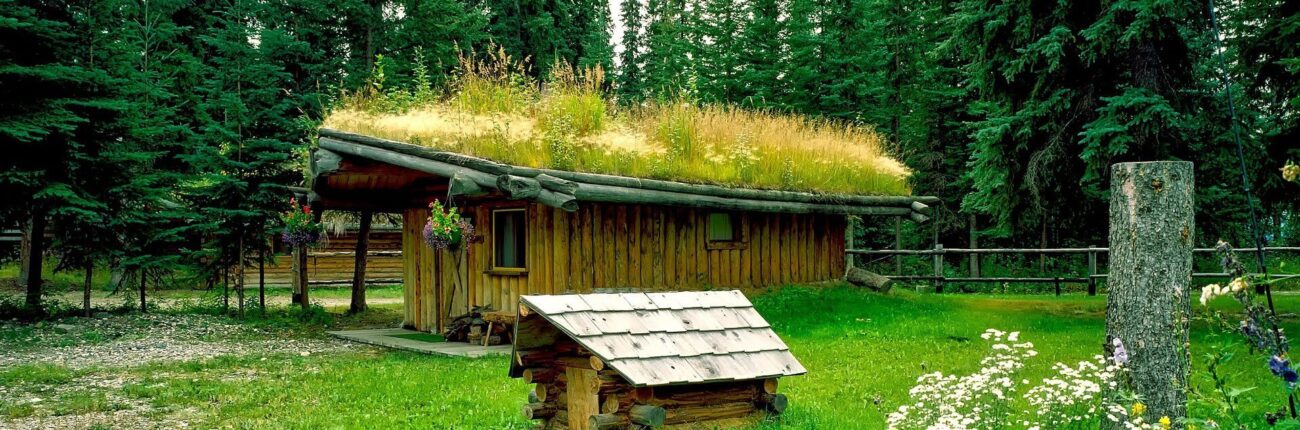
On a map, Alaska looks sizable — but comparable to other big states. In truth, it’s far larger than most people realize because, if you combine Texas, California, and Montana, Alaska is still larger! With over 663,300 square miles, there is plenty of space for people to live and have homes with yards. However, having acres of property doesn’t mean growing grass in Alaska is easy. With its frigid temperatures and drastic seasons, you need the right kind of grass seed that will survive the climate and terrain. As you prepare to plant your new lawn, there is some essential information you need to know regarding weather, terrain, planting season, and the best seeds for growing a resilient lawn in Alaska.
The best time to plant grass seed in Alaska is during the short summer season, specifically from mid-June to early July. This timeframe ensures the soil has sufficiently thawed and warmed up, allowing seeds to germinate and establish deep roots before the long, harsh winter returns. It is crucial to use cold-tolerant, cool-season grass varieties, such as Fine Fescue, Kentucky Bluegrass, and Perennial Ryegrass, which are adapted to the extreme temperature swings and minimal sunlight.
Understanding Alaska’s Climate and Terrain
Alaska has abnormal conditions most of the year, so it’s essential you know what to expect. Whether you’re new to Alaska or have lived here for years, growing a beautiful lawn takes time and research. The most noticeable difference between Alaska and the rest of the United States is the split between day and night. Alaska experiences as little as 5.5 hours of daylight during the winter months and up to 19.5 hours during the summer months.
This means that whatever seed you plant needs to handle sunlight and shade very well because, throughout the year, the seed will experience extreme conditions. Another essential consideration is precipitation. Alaska experiences 31 inches of rain during the year, significantly less than the US average of 38″. However, Alaska has a much more significant snowfall, experiencing 74 inches per year rather than the average 28 inches in the lower 48. Your grass seed must be able to:
- Handle considerable rain and periods of drought.
- Endure months of no sunlight under several feet of snow.
- Thrive in frozen temperatures.
Depending on where you live in Alaska, your ecoregion determines the best times to grow grass and other plants. Since Alaska is so large, it has 32 ecoregions, all with vastly different environments and climates.
Understanding your ecoregion helps you determine the best seed and the optimal planting time. For more information on preparing your soil for any environment.. With a better grasp of the climate and conditions of Alaska, it’s time to consider when to plant grass seed so your grass will grow properly.
When to Plant Grass Seed in Alaska
Alaska’s planting season is an anomaly. Like most places, the weather dictates the best time to germinate, but it has to follow a different pattern because of how long Alaska’s winter season is. Whereas most states can plant grass seeds in mid-to-late April or early May, the ground is often still frozen or covered in snow at this time.
Therefore, the optimal planting season for successfully growing grass in Alaska is June to early July because the ground is warming up, and the soil is loose enough to till and fertilize. Planting your grass seed too soon inhibits growth, and planting too late risks freezing the seed and young grass before it can establish a strong root system to survive the impending cold.
Best Types of Grass Seeds for Alaska
Now that you know how the climate, terrain, and time of year affect your grass, you must plant the right kind of seed. If you grow just any grass, you risk wasting all your time and effort on something that will die quickly. The best grasses for Alaska are cool-season grasses that are tough, drought-resistant, able to grow in sun and shade, and highly cold-tolerant.

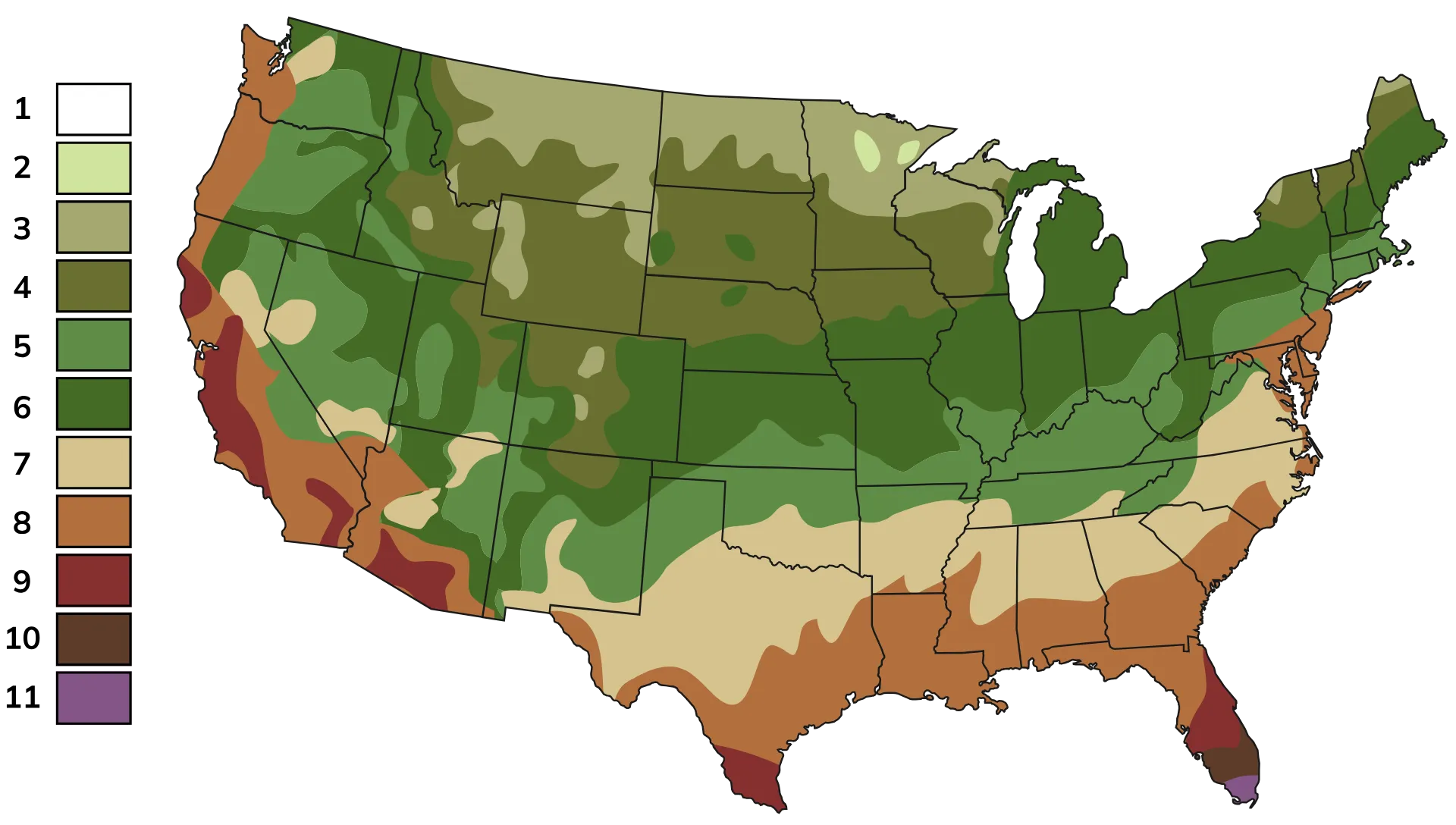
Although Alaska is not typically included on the standard grass growing zone map, you want to exclusively use cool-season grass seeds here. Cool-season grasses handle cooler temperatures better and remain green even in the most dreadful weather.
Fine Fescue
By far the best choice for your Alaskan lawn, fine fescue excels in colder temperatures and minimal shade. With the harsh weather in Alaska, you need grass to handle it all. Fine fescue is tougher than its name shows–it is drought resistant, conserves water, and offers excellent erosion control.
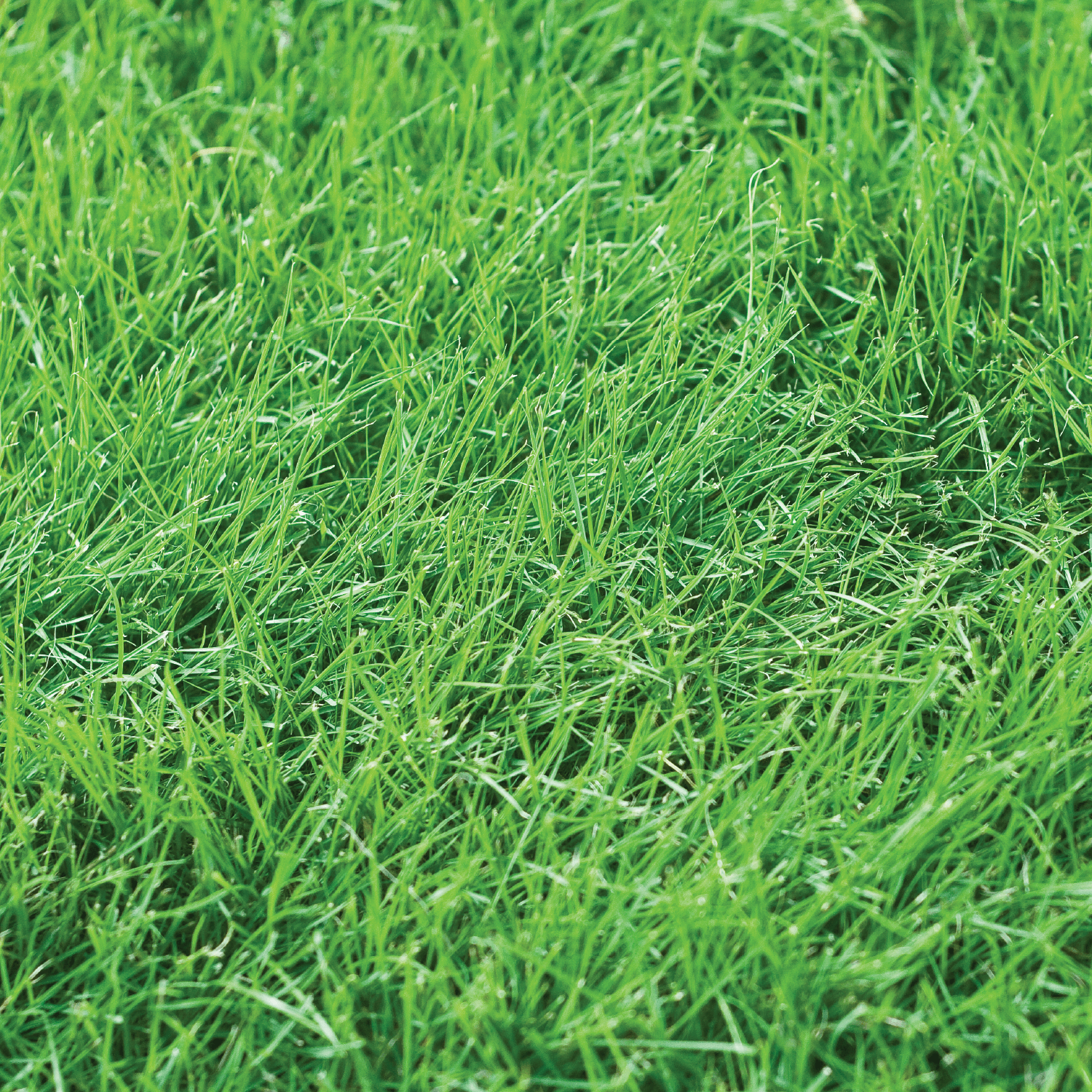
Creeping red fescue, a strand of fine fescue, will spend most of the year under snow, so you must plant it in time for the short season. With its average growth rate, the seedlings might not have enough time to germinate and root if you grow it too late.
Kentucky Bluegrass
Kentucky bluegrass, one of the more popular grasses, is another excellent choice for your lawn. This grass species grows well in sunshine and shade, making it the perfect lawn seed for your Alaskan home. This seed is excellent for a lawn with families and pets in Alaska because it handles foot traffic very well and is exceptionally durable.

Even though Alaska has less rainfall per year than other states, the amount of snow can help satisfy the high water requirement of Kentucky bluegrass. While the snow may not help while frozen, the grass absorbs the water for nutrients as the snow melts and the ground thaws. Ensure you choose a variety that is specifically cold-hardy for the best results.
Perennial Ryegrass
The final excellent option for the Alaskan lawn is perennial ryegrass (Internal Product Link). This grass grows extremely fast, so it’s perfect if you need a quick cover or forget to plant it earlier in the season. With its fast-acting germination, the seeds can establish roots in time for the cooler weather to come along. This rapid growth also makes it ideal for overseeding damaged areas.
Because this grass grows so quickly, it requires a lot of water. And yet, it has excellent drought tolerance, so you must plant it with enough water to give it time to prepare for a dry winter.
FAQ: Growing Grass in Alaska
To help you quickly navigate the challenges of lawn care in the Last Frontier, here are answers to common questions about Alaska Grass Seed.
What is the best type of grass for extreme cold in Alaska?
The best types of grass are hardy, cool-season varieties. Fine Fescue, especially Creeping Red Fescue, is often considered the top choice because it is exceptionally cold-tolerant, requires minimal maintenance, and handles the low light and minimal water availability during the long Alaskan winter.
Can I plant grass seed in the spring in Alaska?
Planting in early spring is generally not recommended in Alaska. The ground remains frozen or saturated with snowmelt for too long. If planted too early, the seed will rot or be washed away. Mid-June to early July offers the best soil temperature and daylight hours for successful germination and establishment.
Conclusion
Growing grass in Alaska poses a unique challenge and requires outside-the-box thinking. You should plant your grass seed between June and July for the best results—otherwise, you risk freezing your seeds if you plant too late. Likewise, the ground is far too hard if you plant too early, and the seeds cannot root.
Understanding the time of year and weather conditions helps you narrow down your choices to Fine Fescue, Kentucky Bluegrass, and Perennial Ryegrass.
