
The Best Grass Seed For Montana
Available Pasture Mixes for Montana
- Big Game Food Plot & Forage Mix
- Chicken Forage Seed Mix
- Cool Season Cattle Pasture Seed Mix
- Full Potential Food Plot
- Green Screen Food Plot
- Honey Bee Cover Crop & Pasture Mix
- Horse Pasture Mix - Transitional
- Krunch and Munch Food Plot
- Llama & Alpaca Pasture Seed Mix
- Pig Pasture & Forage Mix
- Plains Prairie Mix
- Sandhills Prairie Mix
- Shade Mix Food Plot
- Sheep Pasture & Forage Mix - Transitional
- Shortgrass Prairie Mix
- Warm Season Cattle Pasture Seed Mix
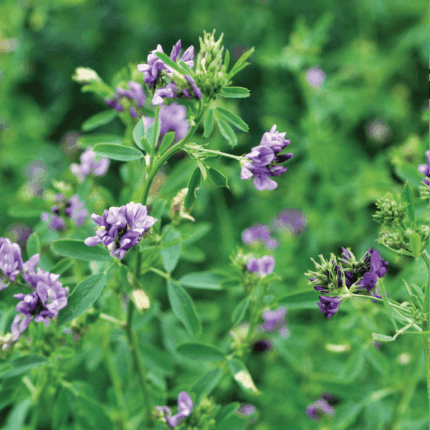
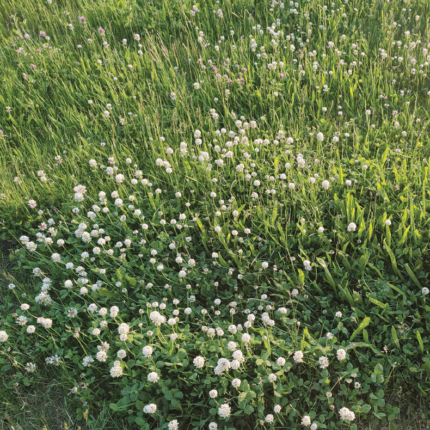
Clover Seed for Montana


Specialty Seed for Montana
Wildflower Seed for Montana



Montana Grass Seed Guide: Best Turf for Cold Winters and Varying Climates
Growing turfgrass in Montana can get tricky because it experiences four distinct seasons, often with freezing winters and hot summers. To cultivate a healthy lawn, you must select seeds with characteristics that accommodate these seasonal changes.
This guide will help you navigate the process of choosing the best grass seed, considering factors like Montana’s specific climate zones, soil quality, and essential maintenance tips.
Montana’s Climate and Planting Zone
Montana is geographically split by the Continental Divide, which influences its climate: the mountainous western portion and the eastern prairie. This divide causes eastern Montana to have generally cooler winter temperatures than the western part.
Montana’s average temperature is $36.8^\circ F$. Summertime averages $85^\circ F$, while the winter season averages approximately $0^\circ F$.
In terms of USDA Plant Hardiness Zones, Montana ranges from 3a ($-40^\circ F$ to $-35^\circ F$ average annual extreme minimum temperature) to 6a ($-10^\circ F$ to $-5^\circ F$).
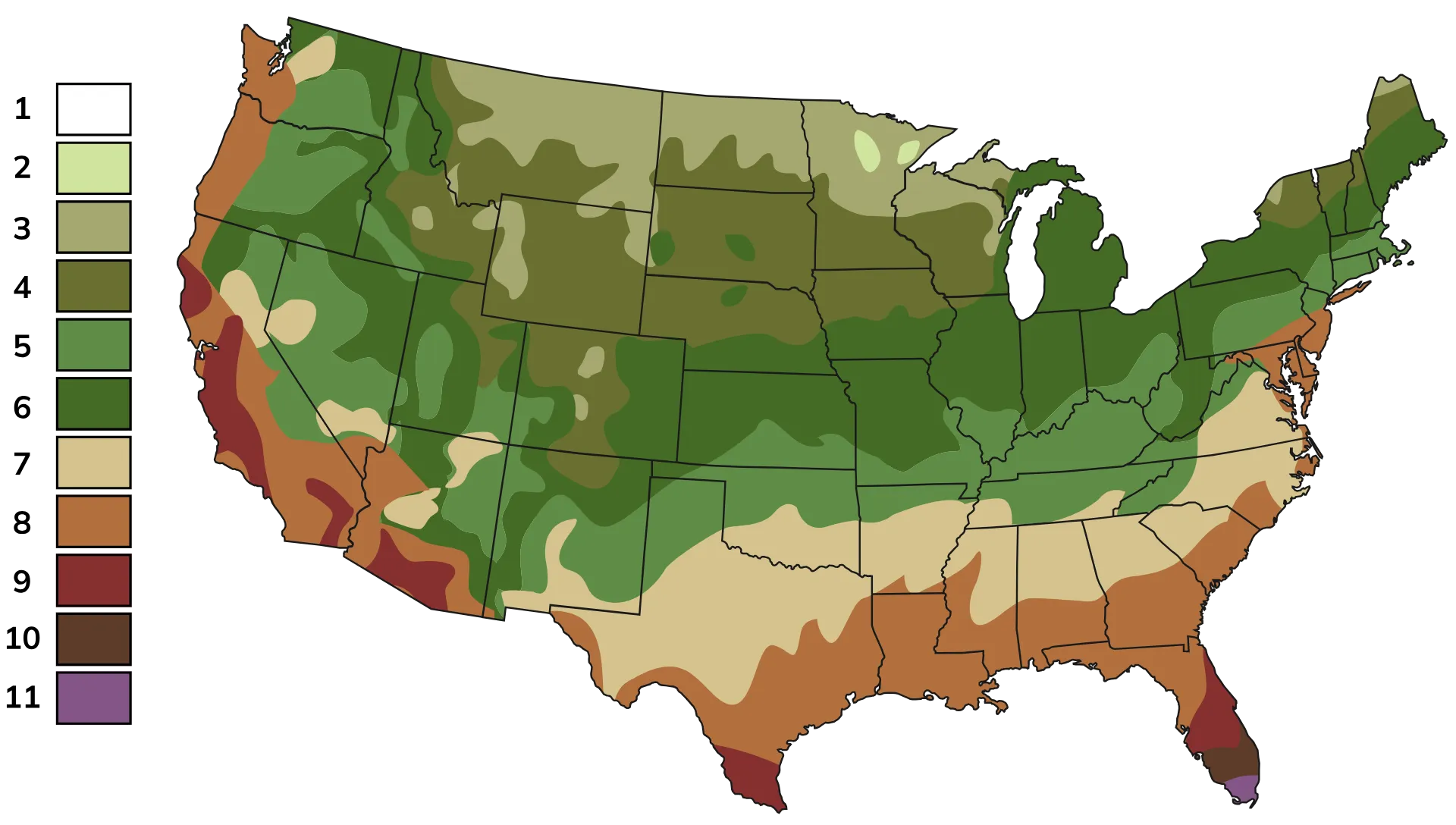
The majority of Montana is in zones 3a to 5a, meaning you must plant grass seeds that can withstand extremely cold climates. The western edge, particularly in Sanders, is the only area reliably under zone 6a. Due to these consistently cold temperatures, Cool-Season Grasses are the primary recommendation for the state.
Cool-Season Grasses (Best for Montana)
Cool-season grasses thrive in the cold weather, retaining their green color during the winter and going dormant (turning brown) during summer heat or drought. Their primary growth periods are spring and fall when soil temperatures reach about $55^\circ F$.
- Planting Time: Best planted during the spring and fall.
- Mowing Height: Maintain between 2.5-3.5 inches.
- Maintenance: Fertilize in the spring and fall. Overseed bald patches during the fall or spring, avoiding pre-emergent herbicides during this time.
Fine Fescues
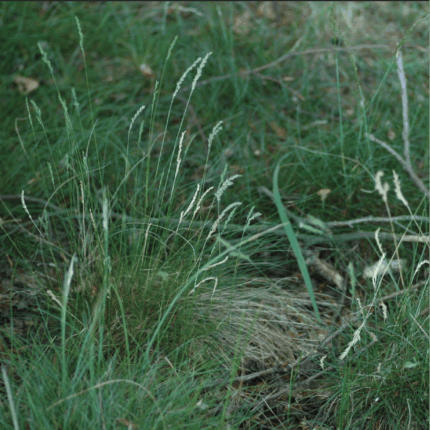
Fine fescues have a bluish color and a fine texture that germinates and establishes quickly. It is the most shade tolerantamong all turfgrasses and can grow in poor soil conditions (clay, sand, or rock). The main drawback is its low tolerance for high foot traffic.
Kentucky Bluegrass
Kentucky bluegrass’s primary advantage is its superior cold-hardiness among cool-season varieties, making it excellent for surviving the harsh Montana winters. Its dark-green color is attractive, but it requires constant watering during the summer months to prevent dormancy and maintain color.
Perennial Ryegrass
Perennial ryegrass has a coarse, shiny green texture and is a bunchgrass. It is known for its fast germination and maximum tolerance for wear and high traffic. It can grow under partial shade and is often used in seed mixtures to help establish a lawn quickly or for overseeding.
Tall Fescue
Tall fescue is a bunchgrass that establishes easily and germinates quicker than Kentucky bluegrass. It can withstand drought, heat, and shade thanks to its extensive root system that reaches two to three feet deep into the soil. Tall fescue is highly recommended for its resilience, although it has limited self-repair abilities.
Warm-Season Grasses (Limited Use)
Warm-season grasses are more tolerant to heat and are drought-resistant, but they turn brown and go dormant during the cold winter temperatures to protect themselves. They are only viable in the warmest parts of Montana, such as the Zone 6a areas.
- Planting Time: Best planted in late spring to summer when the soil temperature is around $65^\circ F$.
- Dormancy: They turn brown during the cold season. You may need to rake and reseed any patches that fail to survive the winter.
Bermuda Grass
Bermudagrass grows rapidly when fertilized and establishes an even, dense turfgrass. It is drought-tolerant and thrives on sports fields and high-traffic lawn due to its inherent hardiness and quick self-repair.
Zoysia Grass
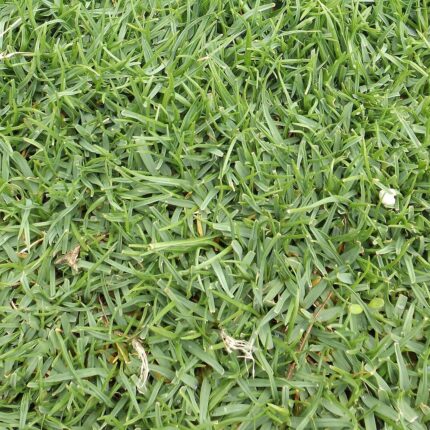
Compared to other warm-season grasses, Zoysia grass is exceptionally tough. It persists well in drought and heat and grows under a variety of conditions. Frequent mowing is required to prevent it from getting too thick and tangled.
Find the Best Montana Grass Seed for Your Property
Despite Montana’s cold climate, choosing the right grass seed—primarily cold-hardy cool-season varieties like Kentucky bluegrass or Tall Fescue—will ensure a green and healthy lawn. Kentucky bluegrass offers the best cold tolerance, while Tall Fescue provides excellent heat and drought resilience.
