8 TX Natives
Monarch Host
Premium Native Grass & Wildflower Seed Built for Texas Tough Conditions
Each region has unique climate conditions that determine which grasses and wildflowers will thrive.
Higher rainfall and acidic soils support lush pastures and diverse wildflower displays. Bermudagrass and Bahia grass thrive here, along with native bluestem prairies and vibrant spring wildflower shows.
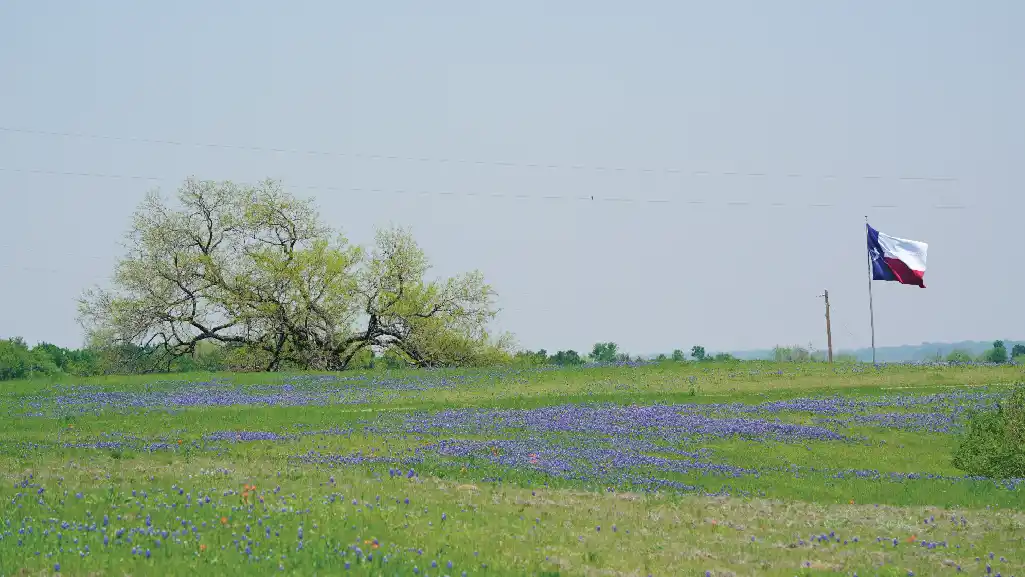
The Hill Country's limestone soils and moderate rainfall create prime conditions for native prairie grasses and the famous Texas wildflower displays. Buffalograss and native mixes excel here.
Semi-arid to arid conditions demand the most drought-hardy varieties. Native grasses adapted to low rainfall and alkaline soils are essential, with Blue Grama and native wildflowers that bloom with minimal moisture.
For warm-season grasses (Bermuda, Buffalo, Zoysia), plant from late April through June when soil temperatures are consistently above 65°F. For cool-season grasses or overseeding, plant in September through November. Texas wildflowers should be seeded in fall (September-November) for spring blooms.
Buffalograss is the champion for drought tolerance in Texas, requiring as little as 1 inch of water per month once established. Blue Grama and native prairie grasses are also excellent low-water options for pasture and lawn settings.
For Texas pastures, consider Big Bluestem, Switchgrass, Sideoats Grama (the state grass), and Little Bluestem. These deep-rooted native grasses provide excellent forage, resist drought, and improve soil health over time.
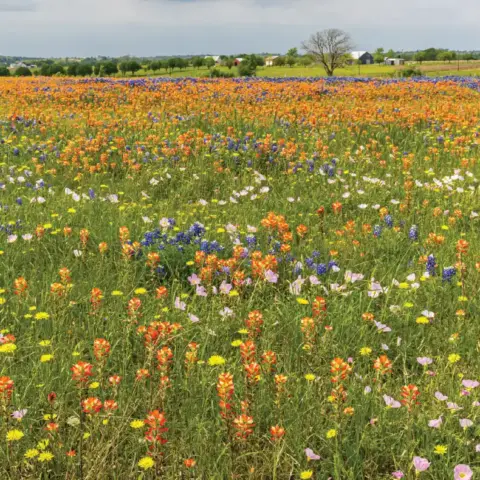
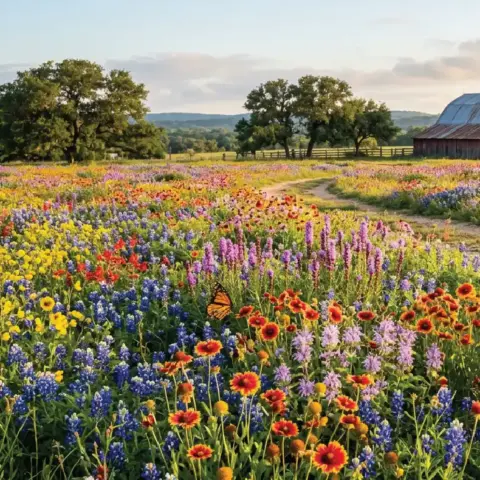
Absolutely! Texas is famous for its wildflowers. Plant a native Texas wildflower mix in fall and they will germinate with winter rains, bloom spectacularly in spring, and reseed themselves for future years — all without supplemental irrigation.
Our seed experts know Texas growing conditions inside and out. Get personalized recommendations for your specific property and goals.
Texas Native Grass and Wildflower Seed
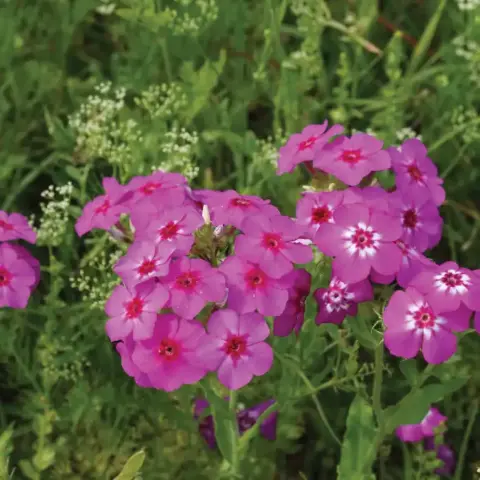
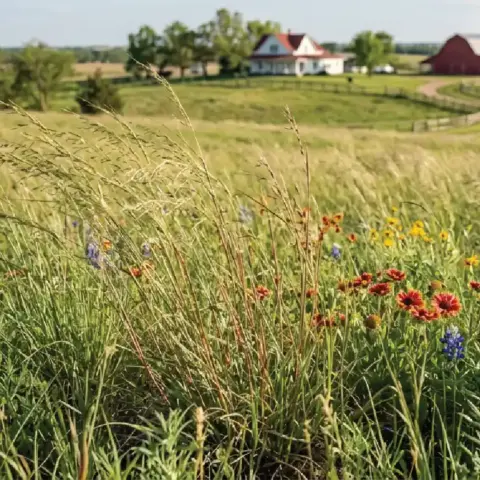
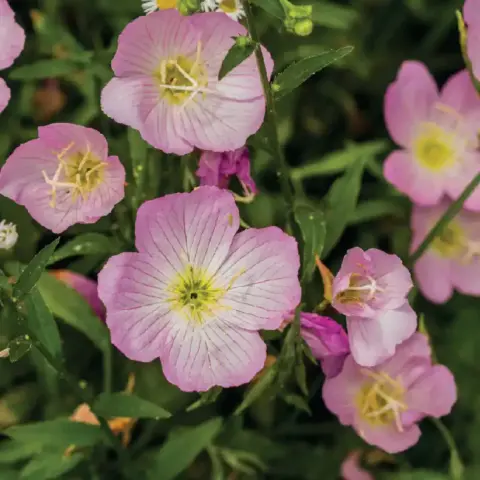
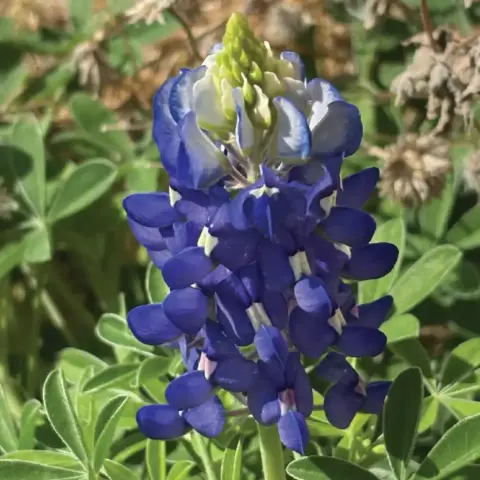
Texas native plants have evolved over thousands of years to thrive across the state’s diverse climates — from the humid Gulf Coast to the arid Trans-Pecos, and from the Blackland Prairie to the Edwards Plateau. Native wildflowers like the Texas Bluebonnet, Drummond Phlox, and Pink Evening Primrose support pollinators including monarch butterflies, native bees, and hummingbirds. Native grasses like Buffalograss, Sideoats Grama, and Little Bluestem develop deep root systems that provide superior erosion control and require far less water and fertilizer than non-native turf.
• 10 ecoregions covered — blends formulated for broad adaptation across Blackland Prairie, Cross Timbers, Gulf Coast, Rolling Plains, South Texas Plains, and Trans-Pecos conditions
• Southern Great Plains sourced — farm-grown from wild collections in Texas, Oklahoma, and Kansas, tested and tagged to meet Texas Department of Agriculture standards
• Wildlife habitat — native milkweeds and wildflowers provide essential nectar for monarch butterflies along the Central Flyway; prairie grasses offer nesting cover for ground-nesting birds like the Northern Bobwhite
• Conservation program eligible — native seed mixes often qualify for USDA cost-share payments through CRP and EQIP programs
• Carbon sequestration — native prairie root systems can store up to 1.5 tons of carbon per acre per year, reaching 6+ feet into the soil
• Zero or minimal fertilizer — natural pest and disease resistance from thousands of years of local adaptation
———
When to Plant
Sow wildflowers (Bluebonnets, Phlox, Evening Primrose) in fall (September-November). Plant warm-season grasses (Buffalograss, Sideoats Grama, Little Bluestem) in spring (March-May) when soil temps exceed 60 degrees F.
Texas Bluebonnet Tip
Sow scarified seed September through November onto prepared soil — do not bury deeper than a quarter inch. Bluebonnets fix their own nitrogen and reseed reliably year after year. Pair with Drummond Phlox and Pink Evening Primrose for continuous spring color.
For site-specific guidance, check the Lady Bird Johnson Wildflower Center or your local Texas A&M AgriLife Extension office. For bulk or custom mix orders, contact us directly.
———
Frequently Asked Questions
Q: When should I plant Texas Bluebonnets?
A: Plant scarified bluebonnet seed in fall, between September and November. The seeds need a cold stratification period through winter to trigger spring germination. Do not bury deeper than a quarter inch.
Q: Will Texas native seed grow in my specific ecoregion?
A: Our blends are formulated for broad adaptation across all 10 Texas ecoregions, from the Gulf Coast to the Trans-Pecos. Each mix uses species native to the Southern Great Plains that perform across a range of Texas soil and climate conditions.
Q: Do Texas native grasses need irrigation?
A: Once established, most Texas native grasses require little to no supplemental irrigation. Species like Buffalograss and Sideoats Grama have deep root systems that access moisture unavailable to shallow-rooted turf grasses.
Q: Can I use native seed for USDA conservation programs like CRP?
A: Yes. Our native seed mixes often qualify for USDA cost-share payments through the Conservation Reserve Program (CRP) and Environmental Quality Incentives Program (EQIP). Contact your local NRCS office for program details.
Q: How do Texas native plants help pollinators?
A: Native wildflowers provide essential nectar sources for monarch butterflies migrating along the Central Flyway, as well as native bees and hummingbirds. Native prairie grasses also offer nesting cover for ground-nesting birds like the Northern Bobwhite.